
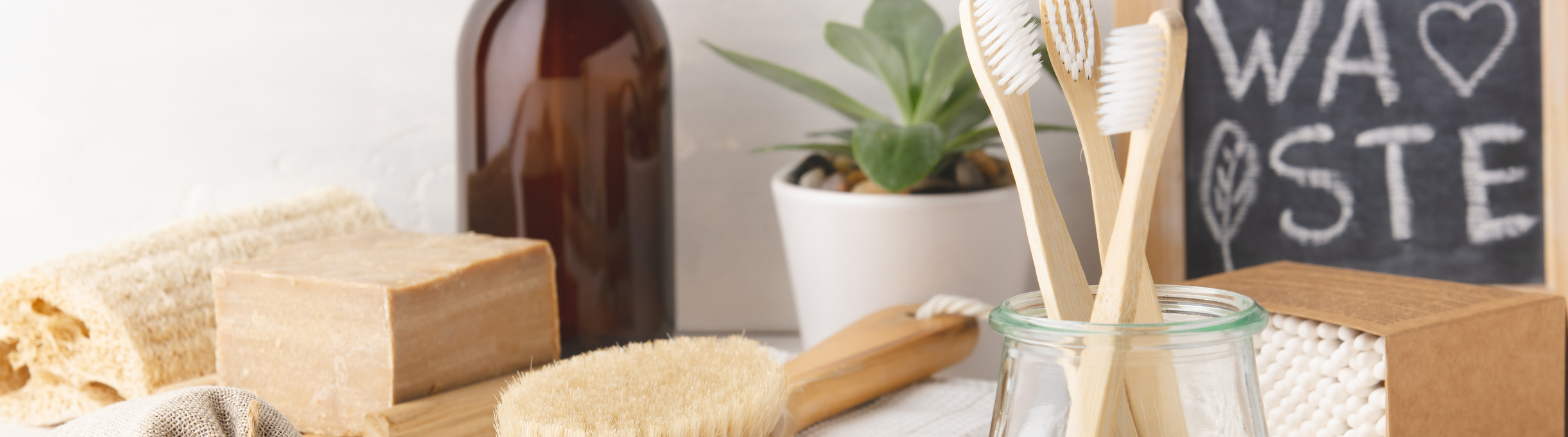
In today’s world, the importance of sustainability cannot be overstated. As we strive to minimise our ecological footprint, every aspect of our lives comes under scrutiny, including our bathrooms. While often overlooked, bathrooms can be a significant source of waste and environmental impact. However, with a few mindful choices, it’s possible to create a bathroom that not only meets our needs but also contributes to a healthier planet. Here’s how:
Choosing Sustainable Materials
The first step towards a sustainable bathroom is selecting materials that are gentle on the environment. opt for eco-friendly options such as:
- Recycled Materials: Look for bathroom fixtures and accessories made from recycled materials. Many companies offer products crafted from recycled glass, reclaimed wood, or recycled plastics.
- Bamboo: Bamboo is a rapidly renewable resource that can be used for various bathroom items, including towels, bathmats, and even toilet paper. It grows quickly and requires minimal water and pesticides, making it an eco-friendly alternative to traditional materials.
- Cork: Cork is another sustainable material that can be used for flooring, wall tiles, and even bathmats. It’s harvested from the bark of cork oak trees, which naturally regenerate after being harvested, making it a renewable and biodegradable option.
- Natural Stone: When it comes to countertops and tiles, consider opting for natural stone options like granite or marble. These materials are durable, long-lasting, and can be sourced locally to reduce transportation emissions.
Buying Local
Supporting local businesses is not only beneficial for the economy but also for the environment. When purchasing bathroom essentials such as soap, shampoo, and cleaning products, look for locally made options. Buying local reduces the carbon footprint associated with transportation and supports small-scale producers in your community.
Embracing Minimalism
In a sustainable bathroom, less is often more. Embrace minimalism by decluttering your space and only keeping the essentials. Choose multi-functional products that serve multiple purposes, reducing the number of items needed in your bathroom.
Opting for Bars and Refillable Containers
Swap out single-use plastic bottles for bar soaps and shampoo bars. Bar products typically use less packaging and require less energy to produce and transport. Additionally, consider investing in refillable containers for items like hand soap, shampoo, and conditioner. Many eco-friendly stores offer refill stations where you can fill up your containers with bulk products, reducing packaging waste.
Conserving Water
Water conservation is crucial for creating a sustainable bathroom. Install low-flow showerheads and faucets to reduce water usage without sacrificing performance. Additionally, consider investing in a dual-flush toilet or retrofitting your existing toilet with a water-saving flush system.
Incorporating Plants
Plants not only add beauty to your bathroom but also help improve air quality by absorbing toxins and releasing oxygen. Choose low-maintenance plants like spider plants, pothos, or snake plants that thrive in humid environments with minimal sunlight.
Conclusion
Creating a sustainable bathroom is not only beneficial for the environment but also for your well-being. By choosing eco-friendly materials, supporting local businesses, embracing minimalism, and incorporating water-saving practices, you can minimise your environmental impact while still enjoying a functional and stylish space. Small changes can make a big difference, and by taking steps towards sustainability in your bathroom, you’re contributing to a healthier planet for future generations.