
The Ultimate Guide to Choosing Bathroom Tiles: What to Look For and What to Avoid
When it comes to bathroom renovations, choosing the right tiles can significantly improve the space’s functionality and aesthetic appeal. With a plethora of options available, selecting the perfect tiles might feel overwhelming. This guide will help you navigate the world of bathroom tiles, highlighting what to look for and what to avoid.
What to Look For
- Water Resistance and Durability
- Material Matters: opt for tiles that are specifically designed for wet environments. Porcelain and ceramic tiles are excellent choices as they are non-porous and highly resistant to water.
- Grade and PEI Ratings: Look for tiles with a high Porcelain Enamel Institute (PEI) rating for durability, especially for floor tiles. A rating of 3 or higher is suitable for bathroom floors.
- Slip Resistance
- Safety First: Bathrooms can become slippery, especially in areas like the shower. To prevent accidents, choose tiles with a textured surface or those that are rated for slip resistance.
- Coefficient of Friction (COF): The COF rating indicates the slip resistance of tiles. For safe bathroom flooring, aim for a COF of 0.6 or higher.
- Size and Layout
- Space Perception: Larger tiles can make small bathrooms appear bigger, while smaller tiles like mosaics are great for adding intricate detail and grip, particularly on shower floors.
- Grout Lines: Fewer grout lines mean less maintenance and a cleaner look. Larger tiles reduce the number of grout lines.
- Style and Aesthetics
- Colour and Finish: Light-coloured tiles can make a bathroom feel airy and spacious, while darker tiles add a touch of luxury. Matte finishes are less likely to show water spots and fingerprints compared to glossy finishes.
- Patterns and Textures: Consider the overall style of your home. Subway tiles offer a classic look, while geometric patterns can add a modern touch.
- Maintenance and Cleaning
- Ease of Cleaning: Choose tiles that are easy to clean and maintain. Porcelain and ceramic are both low-maintenance options.
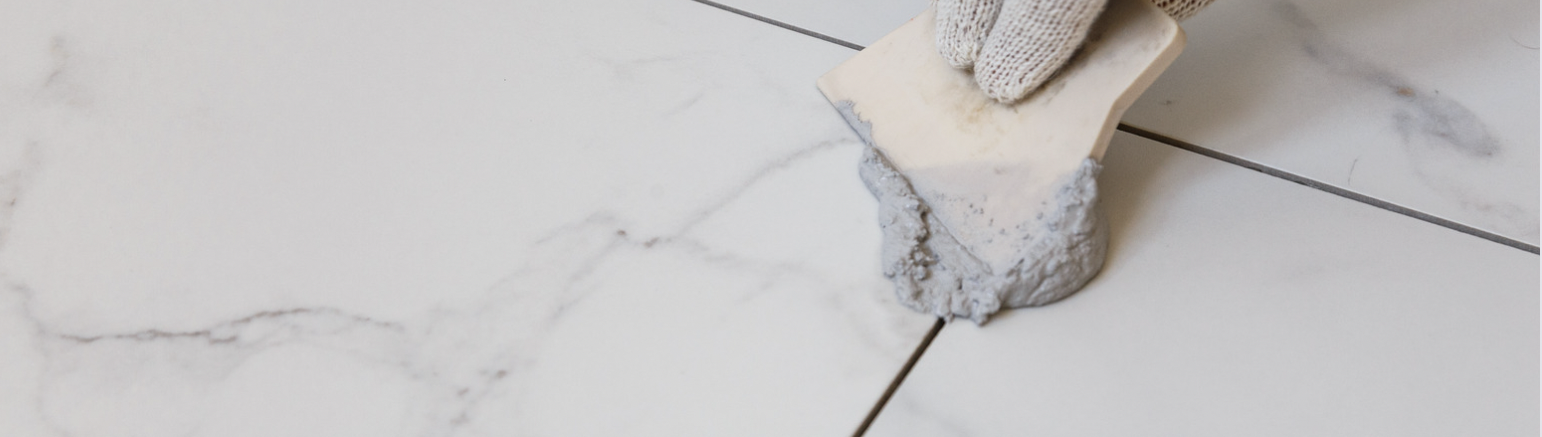
- Grout: Select a grout that is resistant to stains and mould. Epoxy grout, though more expensive, is highly durable and resistant to discolouration.
What to Avoid
- Overly Porous Materials
- Avoid Natural Stone in Wet Areas: While beautiful, materials like marble and limestone are porous and can absorb water, leading to stains and potential damage. If you love the look of natural stone, ensure it is properly sealed and maintained.
- Highly Polished Surfaces
- Slippery When Wet: Highly polished tiles can be extremely slippery, making them a poor choice for bathroom floors. Reserve these for walls or low-traffic areas.
- Inconsistent Quality
- Check for Defects: Ensure the tiles are of consistent quality. Look for uniformity in colour, size, and thickness. Cheap tiles may have defects that could cause problems during installation.
- Overly Trendy Choices
- Timeless over Trendy: While it’s tempting to follow the latest trends, consider whether you’ll still love the design in a few years. Choose a timeless style for long-lasting appeal.
- Ignoring Professional Advice
- Consult Experts: Don’t ignore the advice of professionals. Tile experts, designers, and contractors can provide valuable insights into the best choices for your specific bathroom conditions and needs.
Conclusion
Choosing the right bathroom tiles involves balancing aesthetics, functionality, and safety. By considering factors like water resistance, slip resistance, size, and ease of maintenance, you can select tiles that not only enhance the beauty of your bathroom but also ensure its practicality. Avoiding overly porous materials, highly polished surfaces, inconsistent quality, overly trendy choices, and ignoring professional advice will help you avoid common pitfalls.
Investing time and effort into selecting the perfect tiles will pay off in the long run, giving you a stunning and enduring bathroom. Happy tiling!